

Have you ever picked up a beautiful rock on a hike and wondered what it was? If so, you've already taken the first step into the exciting world of rockhounding.
Rockhounding is the hobby of searching for rocks, minerals, crystals, fossils, and gemstones in nature. It's an adventure that combines geology, outdoor exploration, and the thrill of discovering something millions of years in the making.
At Rocksmith Studio, we're passionate about lapidary art, handmade jewelry, and helping others discover the incredible beauty hidden in the natural world. Whether you're exploring the California coastline or hiking mountain trails, this guide will teach you how to rockhound responsibly and confidently.
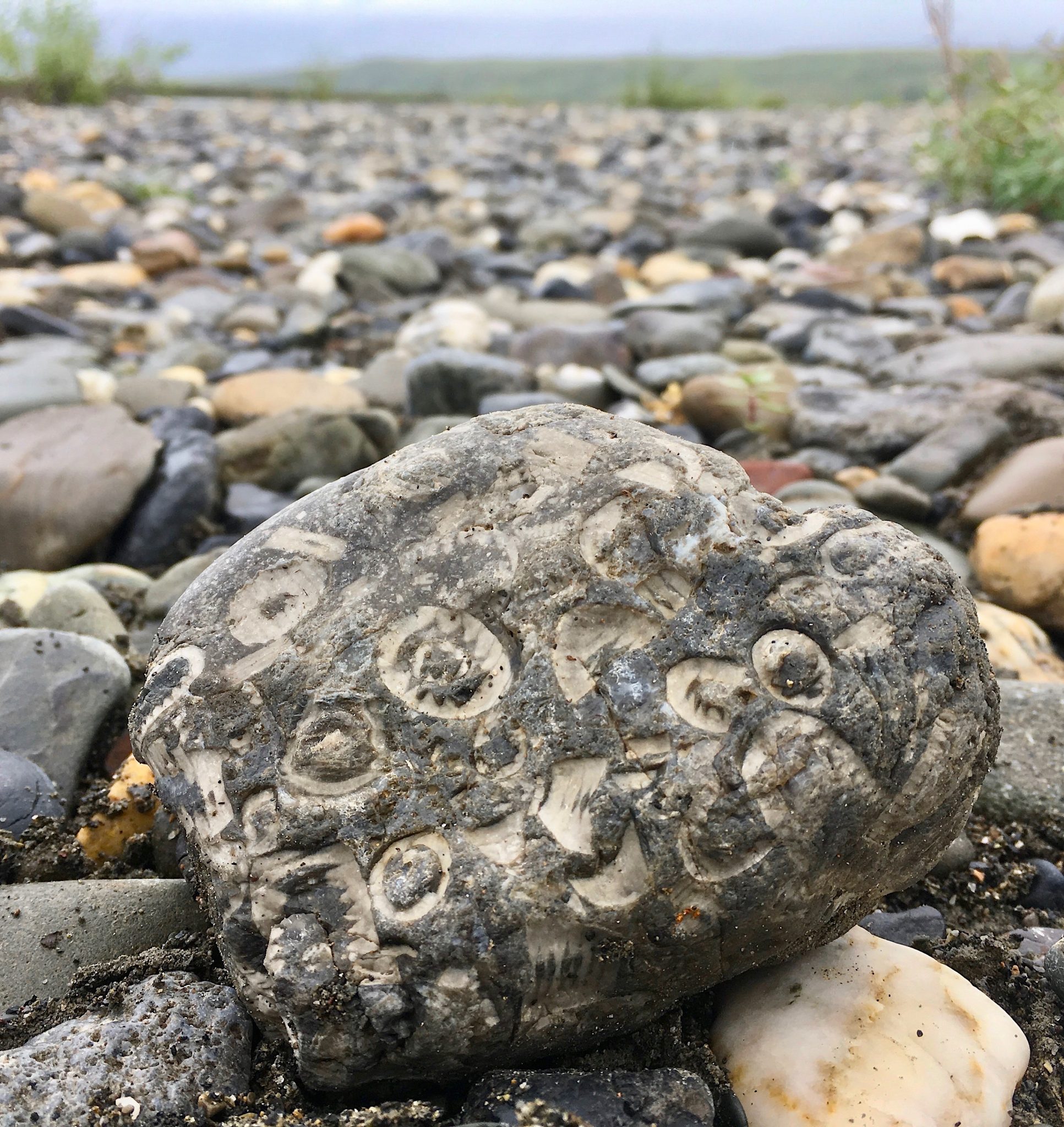
What Is Rockhounding?
Rockhounding is the practice of collecting naturally occurring rocks, minerals, gemstones, and crystals. Some people collect specimens for display, while others use them for lapidary work, gemstone polishing, jewelry making, or educational collections.
Every trip is different. Some days you'll come home with a backpack full of interesting finds. Other days you'll simply enjoy the experience of exploring nature. That's part of the adventure.
Why People Love Rockhounding
Rockhounding is a hobby that anyone can enjoy. People love it because it combines:
-
Hiking and outdoor adventure
-
Learning about geology
-
Mineral and crystal collecting
-
Fossil hunting
-
Handmade art, lapidary, and jewelry making
-
Family activities and outdoor treasure hunting
Every rock has a story, and every landscape offers something new to discover.
What Equipment Do You Need?
You don't need expensive gear to begin. A beginner rockhounding kit should include:
-
Safety glasses & work gloves (essential for breaking open rocks safely)
-
Rock hammer or small hand shovel (where permitted)
-
Collection bag, heavy-duty backpack, or five-gallon bucket
-
Notebook or local field guide
-
Soft brush for cleaning dirt off your finds on-site
As your hobby grows, you may also add advanced tools like a magnifying loupe, chisels, a mineral identification guide, or a UV flashlight for discovering fluorescent minerals.
Where Can You Go Rockhounding?
Some of the best places to search include:
Beaches
Ocean waves naturally tumble, polish, and expose beautiful stones. Keep an eye out for coastal Agate, Quartz, Chalcedony, and smooth Jasper varieties.
Rivers and Creeks
Moving water uncovers fresh material after big storms and seasonal runoff. Gravel bars in creeks are prime locations for finding hidden gemstones.
Desert Areas
Many deserts contain volcanic rock pockets, agates, petrified wood, and vibrant mineral formations like Malachite.
Mountains
Mountain regions often expose dramatic quartz veins and a wide variety of minerals through natural wind and rain erosion.
⚠️ Public Rockhounding Areas: Many public lands allow recreational collecting, but regulations vary wildly. Always check local rules before collecting and respect posted land restrictions.
California Is a Rockhound's Paradise
California is one of the best states in the country for rockhounding. Depending on where you explore, you can find a massive variety of specimens:
-
Quartz Families: Clear Quartz, Rose Quartz, Smoky Quartz, and vibrant Amethyst.
-
Volcanic & Metamorphic Minerals: Obsidian, Serpentine (California’s state rock), and stunning Rainbow Fluorite.
-
Unique Specimens: Unusual materials like Andalusite variants, including Chiastolite "Fairy Cross" stones.
From coastal beaches to rugged mountain ranges and arid desert landscapes, California offers incredible opportunities for beginners and experienced collectors alike. If you're based near Oakland, you'll also find excellent museums, gem and mineral clubs, and lapidary communities that can help you learn more about local geology.
Learn to Identify Common Gemstones
One of the most enjoyable parts of rockhounding is learning what you've found. Some beginner-friendly gemstones include:
-
Agate: Known for its colorful, concentric bands and incredible polishing potential.
-
Quartz: The most common gemstone family, found in many colors and crystal forms.
-
Amethyst: A popular purple quartz that ranges from light lavender to deep violet. You can find it raw, tumbled, or in striking matrix clusters like a custom Amethyst Geode Sculpture.
-
Green Stones: Keep an eye out for translucent green minerals like Green Aventurine, which is often found in riverbeds and gravel deposits.
-
Fossils: Depending on your location, you might even stumble across prehistoric marine life, such as beautiful, spiral-patterned Ammonite Fossils.
| Gemstone Type | Common Colors | Best For |
| Agate & Jasper | Red, brown, yellow, banded | Rock tumbling & cabochons |
| Quartz Varieties | Clear, pink, purple, smoky | Crystal collections & wire wrapping |
| Aventurine | Forest green, shimmering green | Carvings & pocket stones |
| Fluorite | Purple, green, blue, clear bands | Display specimens & home decor |
What to Do After You Find Your Rocks
Your adventure doesn't end when you get home. Many rockhounds enjoy cleaning their specimens, identifying specific mineral compositions, and mapping out what to do with their treasures.
Rock Tumbling & Polishing
Rock tumbling is often the next step after collecting. Using a rotary tumbler, silicon carbide grit, and progressively finer polishing stages, rough river rocks can be transformed into smooth, glossy gemstones that look as brilliant as high-end Labradorite palm stones. If you're new to the craft, be sure to read our companion guide on How to Tumble Rocks for a complete walkthrough.
DIY Jewelry & Lapidary Art
A rough stone collected on a hike can easily become a beautiful focal point for handmade jewelry. You can practice wire wrapping, cut custom cabochons, or use raw minerals to create jewelry styles similar to raw crystal look of Lepidolite earrings.
Displaying Your Collection
Not every find needs to be cut or polished. Many collectors choose to display their rocks raw, alongside artful mineral carvings like a polished Blue Calcite Egg or a carved Angelite Heart to contrast raw textures with sculpted forms.
Rockhounding Etiquette
Responsible collecting helps preserve natural spaces for everyone. Always remember the rockhound code of ethics:
-
Follow local regulations: Secure permits where required and stay within legal collection weight limits.
-
Respect private property: Never cross fences or explore mining claims without express permission from the owner.
-
Leave no trace: Fill any holes you dig, pack out all of your trash, and do not disturb wildlife or local plant life.
-
Take only what you need: Leave some treasures behind for future generations of rock hounds to discover!
Frequently Asked Questions
Is rockhounding legal?
In many public recreation areas (like BLM land), small amounts of recreational surface collecting are perfectly legal, but rules vary by district. Always check local land management guidelines before heading out.
What's the difference between rock collecting and mineral collecting?
Rock collecting focuses on whole rock specimens (which are made up of multiple minerals combined), while mineral collecting centers on individual crystal species, structural habits, and chemical purities.
Can beginners go rockhounding?
Absolutely! Rockhounding is one of the easiest, lowest-barrier outdoor hobbies to get into. All it takes is a keen eye, a sturdy pair of hiking boots, and a healthy dose of curiosity.
Start Your Rockhounding Journey
Rockhounding is more than just bringing home heavy pockets—it's about exploring the outdoors, connecting with Earth's ancient history, and discovering the hidden art waiting right beneath our feet.
At Rocksmith Studio, we are proud to celebrate handmade craftsmanship, lapidary arts, and the incredible geological landscapes that inspire our work every single day. Whether you're searching for your very first coastal agate or transforming rough finds into wearable art, your next great adventure starts with a single step.
Happy rockhounding!
0 comments