

If you've ever admired a polished agate, a sparkling quartz pendant, or a handcrafted gemstone cabochon, you've already seen the art of lapidary at work.
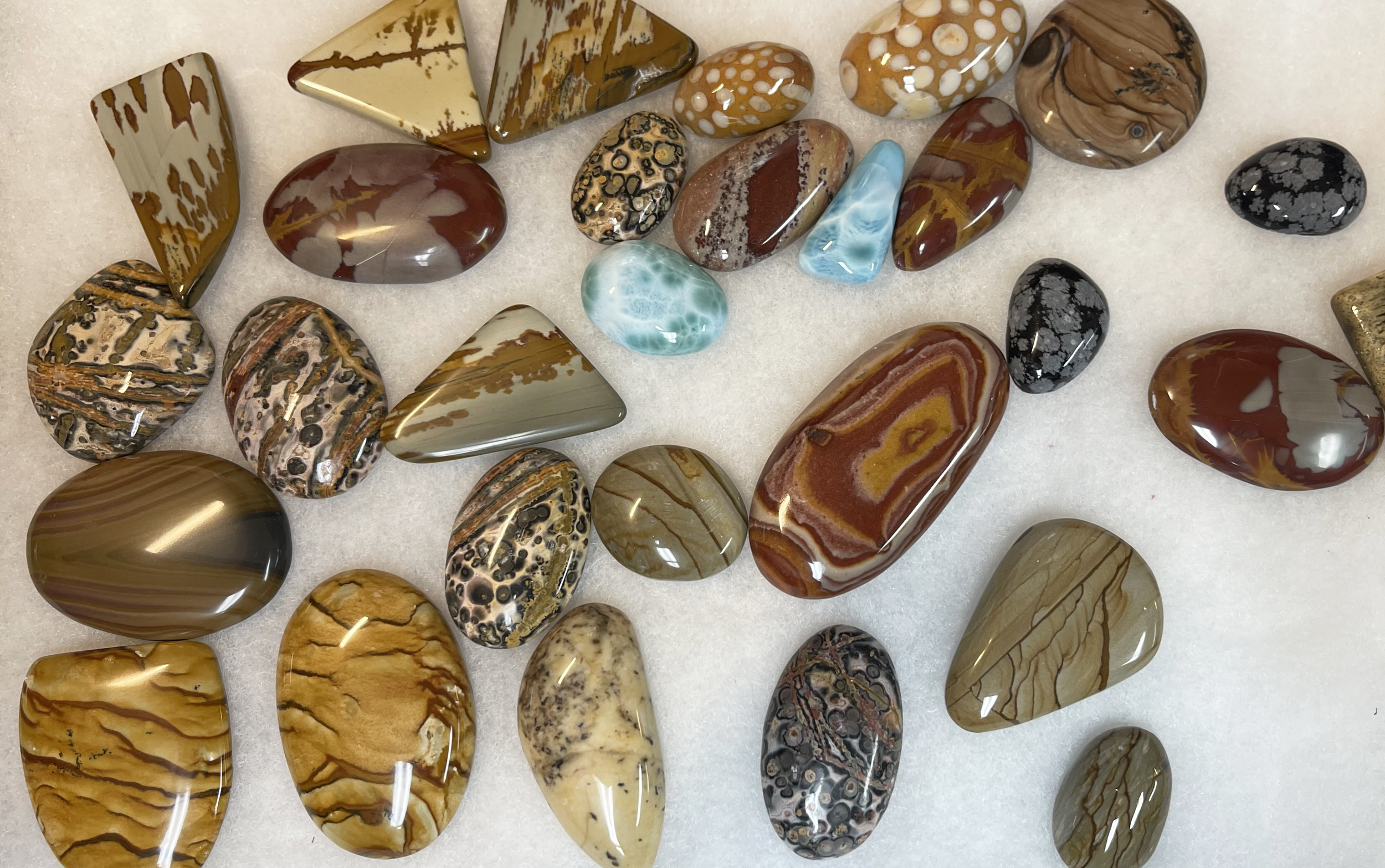
Lapidary is the craft of cutting, shaping, grinding, and polishing stones into beautiful works of art. Whether you're interested in creating handmade jewelry, polishing your own rockhounding finds, or learning a rewarding new hobby, lapidary is a skill that combines creativity, craftsmanship, and geology.
At Rocksmith Studio in Oakland, California, we're inspired by natural gemstones and the timeless art of transforming rough stone into something extraordinary. This guide will show you how to start your lapidary journey with confidence.
What Is Lapidary?
Lapidary is the art and science of working with stone. A lapidary artist transforms rough rocks and minerals into finished pieces by:
-
Cutting rough material with specialized diamond saws
-
Shaping gemstones into specific geometries
-
Grinding flat or domed surfaces smooth
-
Sanding away microscopic scratches
-
Polishing stones to a brilliant, glassy shine
-
Creating cabochons for handmade jewelry settings
From colorful agates to sparkling quartz crystals, nearly every polished gemstone begins with lapidary work.
Why Learn Lapidary?
Lapidary is an incredibly rewarding hobby because it combines creativity with hands-on, tactile craftsmanship. Many people begin lapidary to:
-
Create bespoke, handmade jewelry
-
Polish raw rocks they found while rockhounding
-
Make completely unique, one-of-a-kind gifts
-
Start a small creative artisan business
-
Deepen their knowledge of geology and mineralogy
Every finished stone is a completely unique expression of nature and craftsmanship, making lapidary one of the most satisfying forms of functional art.
Best Gemstones for Beginners
Some stones are much easier to work with than others. When you are just starting out, you want durable, forgiving materials that take a polish beautifully without chipping easily. Excellent beginner choices include:
-
The Quartz Family: Highly reliable minerals like Clear Quartz, Rose Quartz, Smoky Quartz, and Large Purple Amethyst.
-
Agates & Jaspers: Tough, tightly grained stones like Australian Mookaite Jasper or Green Aventurine, which handle machine grinding exceptionally well.
What About Opal?
Opal is absolutely stunning, but it sits lower on the hardness scale. It requires much lighter pressure, specialized cooling, and advanced polishing techniques, making it a better choice after you've gained experience on tougher minerals.
Essential Lapidary Equipment
You don't need a fully equipped professional workshop on day one. A standard beginner setup generally includes:
-
Trim Saw: A water-cooled saw using a diamond-rimmed blade to slice away unwanted rough material.
-
Cabbing Machine: A multi-wheel machine equipped with diamond grinding and sanding wheels of progressive grits.
-
Polishing Pad: A felt, leather, or canvas wheel used with specialized polishing powders (like cerium oxide or diamond paste).
-
Water Cooling System: Essential for keeping the stone and wheels wet to eliminate friction heat and dangerous rock dust.
-
Safety Gear: Always wear safety glasses, hearing protection, and a proper dust mask or respirator.
💡 Pro Tip: Before investing in your own heavy machinery, check out local gem and mineral clubs! Most clubs host affordable workshops where you can practice on their equipment and learn from experienced mentors.
Understanding the Lapidary Process
Most custom stone cutting projects follow five fundamental steps:
1. Choose Your Rough Stone
Select a solid piece of rough material with minimal internal fractures, rich color, and intriguing internal patterns.
2. Cut the Slab or Preform
Use your trim saw to slice the rough stone down to a workable thickness or trim away excess stone to create a rough block silhouette. Always cut slowly, allowing the water-cooling system to completely drench the blade.
3. Grind the Shape
Using coarse diamond grinding wheels, shape the basic profile. Beginners usually start with an oval or teardrop shape to create uniform cabochons—flat-backed stones with smooth, domed tops that are perfect for jewelry making.
4. Sand Away Scratches
Progress through finer and finer sanding wheels. This step requires patience: skipping a grit stage will leave tiny scratches trapped beneath your final finish, clouding the stone's potential.
5. Final Polish
Apply your stone to a dedicated polishing wheel loaded with a high-grade polishing compound. This is the ultimate "reveal" step where agates flash their hidden bands, quartz becomes glassy, and minerals truly come to life.
Understanding Mohs Hardness
Knowing a gemstone's Mohs hardness helps you select the correct cutting speed, determine how much pressure to apply, and avoid ruining your material.
| Gemstone | Mohs Hardness | Characteristics |
| Opal | 5.5–6.5 | Softer, heat-sensitive; requires gentle handling |
| Agate & Jasper | 6.5–7.0 | Highly durable, takes an excellent mirror polish |
| Quartz Varieties | 7.0 | Crisp, glassy, highly stable under pressure |
Lapidary vs. Rock Tumbling
Many beginners wonder which craft they should dive into first. While both transform rough rock into gorgeous gems, they use very different approaches:
-
Rock Tumbling: Uses a automated machine to polish large batches of stones simultaneously over several weeks. It is an excellent, hands-off entry point for creating polished pocket stones like Tumbled Malachite or vibrant Rainbow Fluorite.
-
Lapidary: Involves cutting and shaping each stone individually by hand. This method offers total creative control, allowing you to cut custom sizes, flat-backed cabochons, and precise geometric shapes designed for intentional jewelry settings.
Common Beginner Mistakes to Avoid
-
Rushing the Sanding Stages: If you don't stay on your medium and fine sanding wheels long enough, the final polishing compound won't look bright or reflective.
-
Pressing Too Hard: Let the diamond wheels do the work. Pressing too hard generates extreme heat, which can crack stones like quartz or burn your sanding pads.
-
Ignoring Fractures: Inspect your rough stone closely. Grinding directly into a deep pre-existing crack can cause the gemstone to shatter unexpectedly on the wheel.
Turning Your Lapidary Craft Into Jewelry
The ultimate reward of lapidary is turning your finished stones into wearable art. Flat-backed cabochons can be set into custom rings, while teardrops are perfect for matching earrings.
If you love the organic, artisanal look but aren't ready to invest in heavy cutting machinery, you can skip straight to jewelry making using pre-cut components like high-shine Faceted Copper Rutilated Quartz Strands. You can also draw style inspiration from classic, ready-to-wear stone designs, such as:
-
Minimalist Stone Charm Necklaces
-
Raw accent styles like Lepidolite Crystal Earrings
-
Statement focal charms like Amethyst Druzy Pendants or structured Golden Healer Quartz Pyramid Pendants.
For home decor enthusiasts, practicing your polishing skills on larger flat surfaces can help you create striking centerpieces, mirroring the beauty of premium display specimens like a polished Dream Amethyst Sphere, a carved Angelite Heart, or a perfectly halved Ammonite Fossil Pair.
Frequently Asked Questions
Is lapidary hard to learn?
Not at all! While mastering complex faceting takes years of precision practice, learning to cut a beautiful, smooth cabochon is highly accessible and can be picked up in just a few studio sessions.
Can I use stones I found while rockhounding?
Absolutely. Working with minerals you field-collected yourself makes the finished jewelry or display piece significantly more rewarding.
Begin Your Lapidary Journey
Lapidary is more than just cutting and polishing stone—it's about partnering with nature to reveal the spectacular beauty hidden deep within the Earth.
At Rocksmith Studio, we are proud to celebrate the timeless lineage of lapidary craftsmanship. Whether you are shaping your very first agate cabochon or designing a statement wire-wrapped pendant, every project is a fresh opportunity to create a lasting piece of natural art.
Happy cutting!
0 comments